Graphic elements add depth and texture to the ISTA brand.
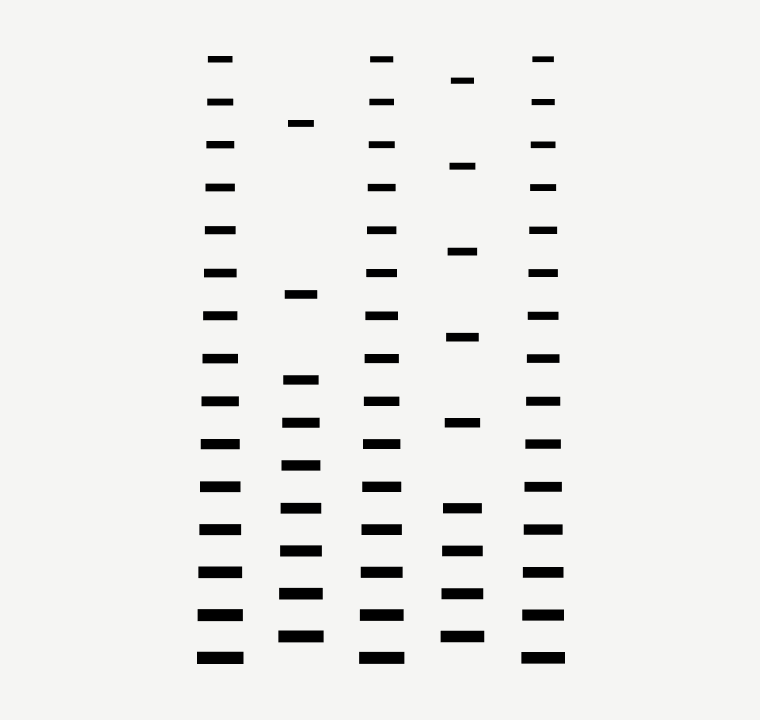
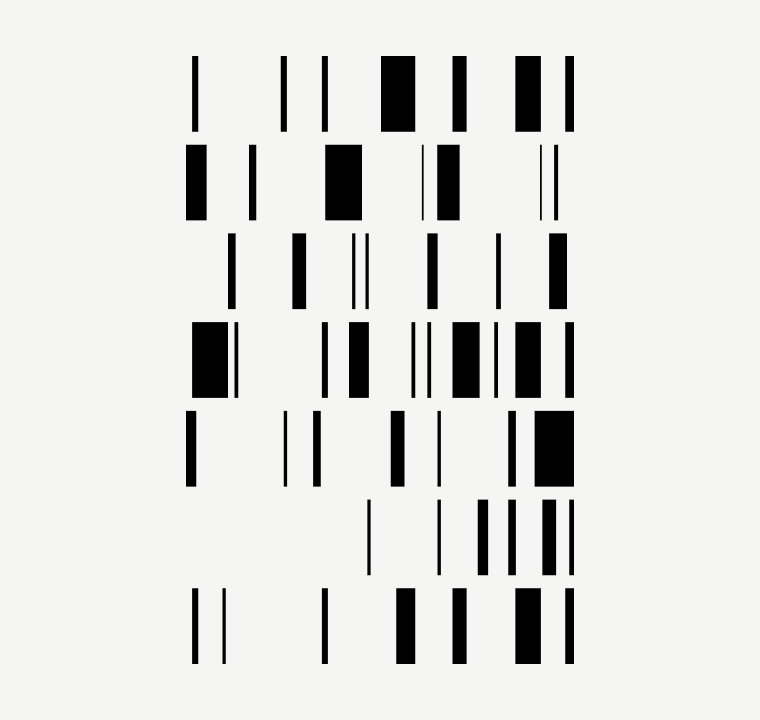
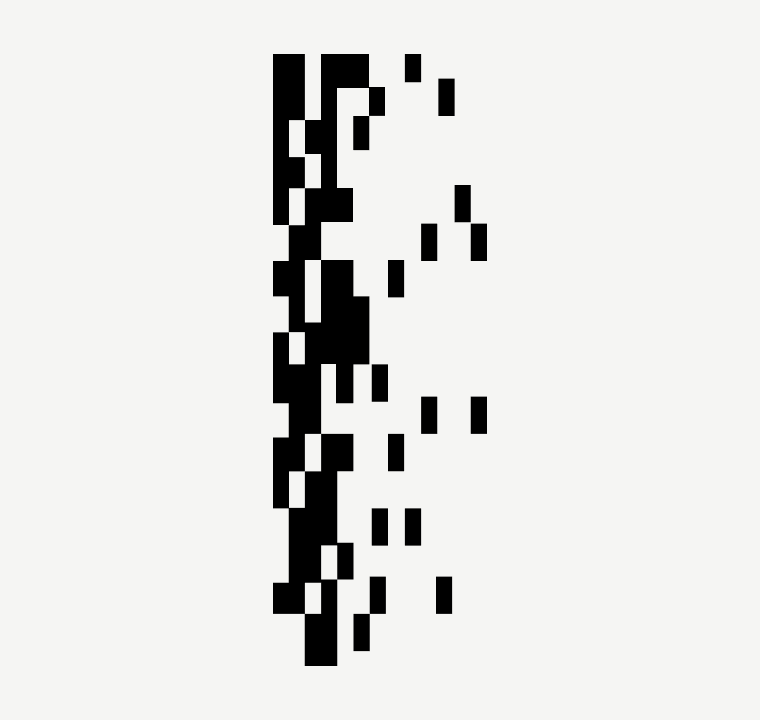
The graphic elements shown below are derived from the ISTA logo rectangles and/or the underlying grid structure. Explore how patterns, frames, and collages are incorporated in the ISTA identity.
ISTA patterns are designed to echo the logo by using the bars from the ISTA Icon as a starting point. By adjusting their size and positioning, the bars can become abstractions of scientific imagery. Though they are broadly inspired by first generation DNA sequencing, spectroscopy, and binary code, these patterns below are not meant to be literal representations of real data; they should instead feel scientific or data-driven in general to allude to the research without being specific or prescriptive.
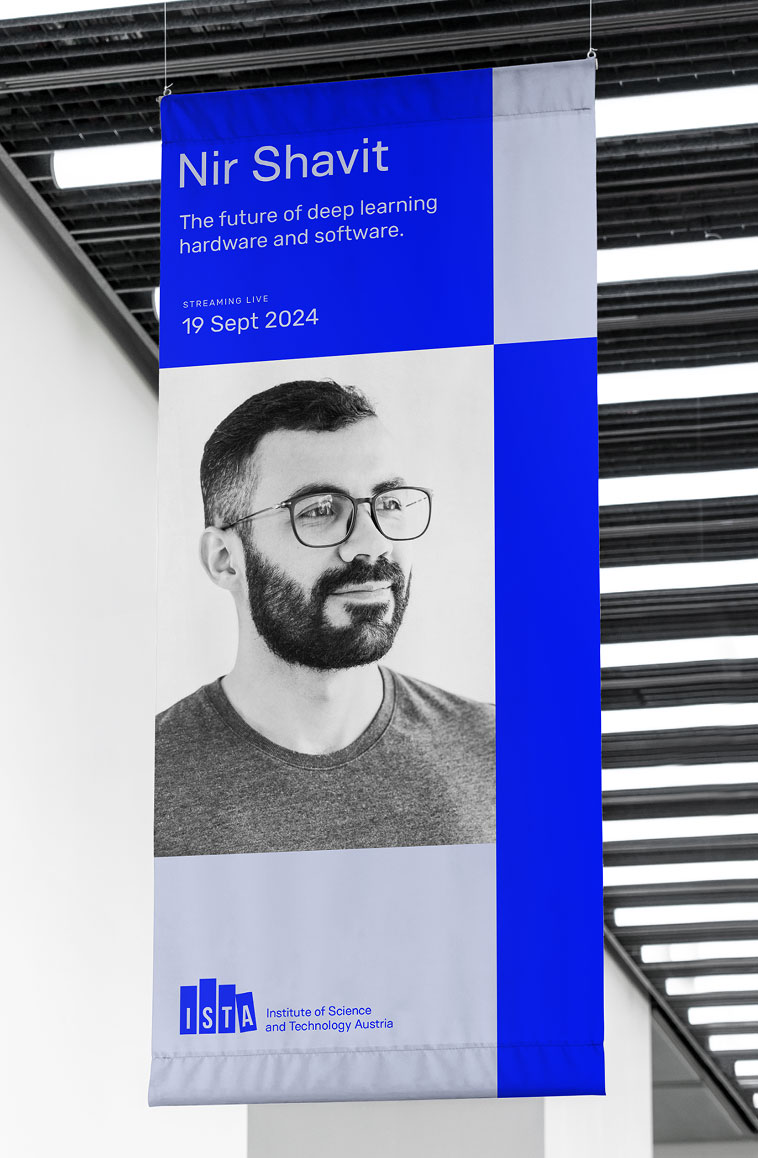
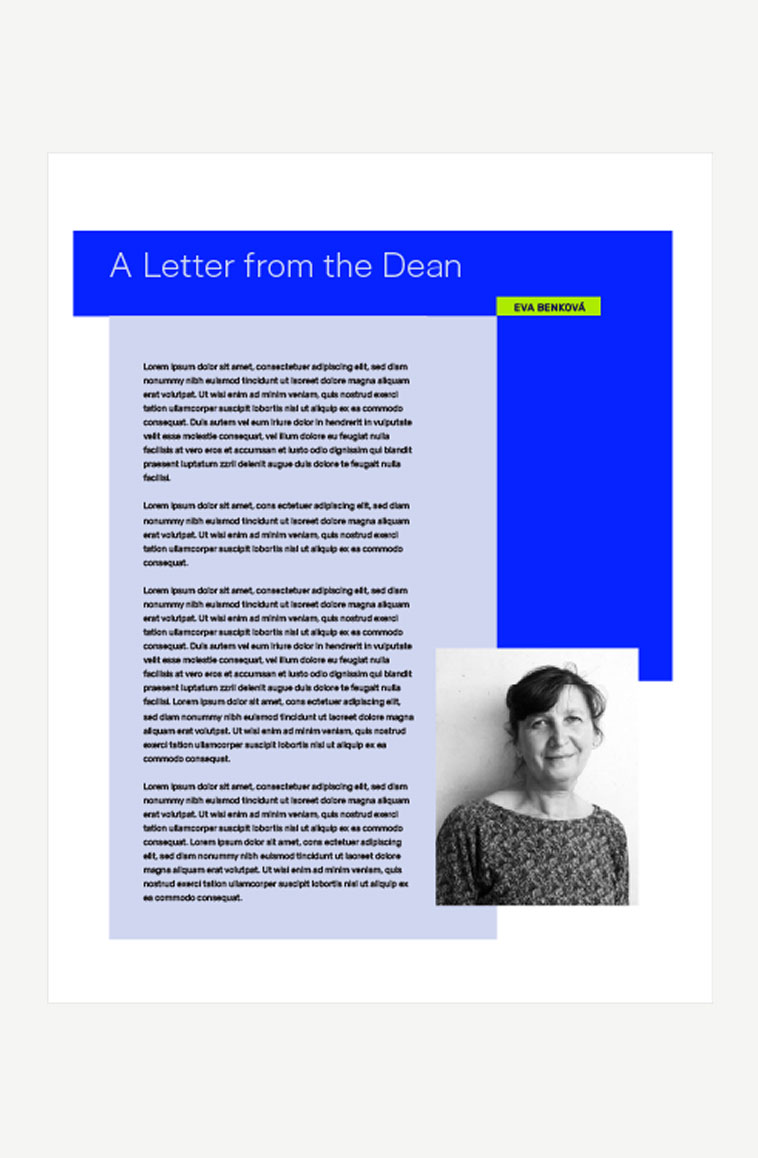
Color blocking can be used to as a way to organize and separate information as well as add texture and interest to a composition.
This is an example of a monochrome color blocking scheme, where the color blocking helps provide balance as well as contain and organize the text.
This simple composition uses the bright green as an accent to highlight specific information in a generally blue layout. Overlapping elements create depth and reinforce the rectangular grid structure that is a signature element of the ISTA brand.
When using three hue families like the example above, the composition must use a white background to prevent the color from being overwhelming. In this example, the boxes that contain the text are laid over the images to create interesting and unique cut-out shapes.
Framing and masking
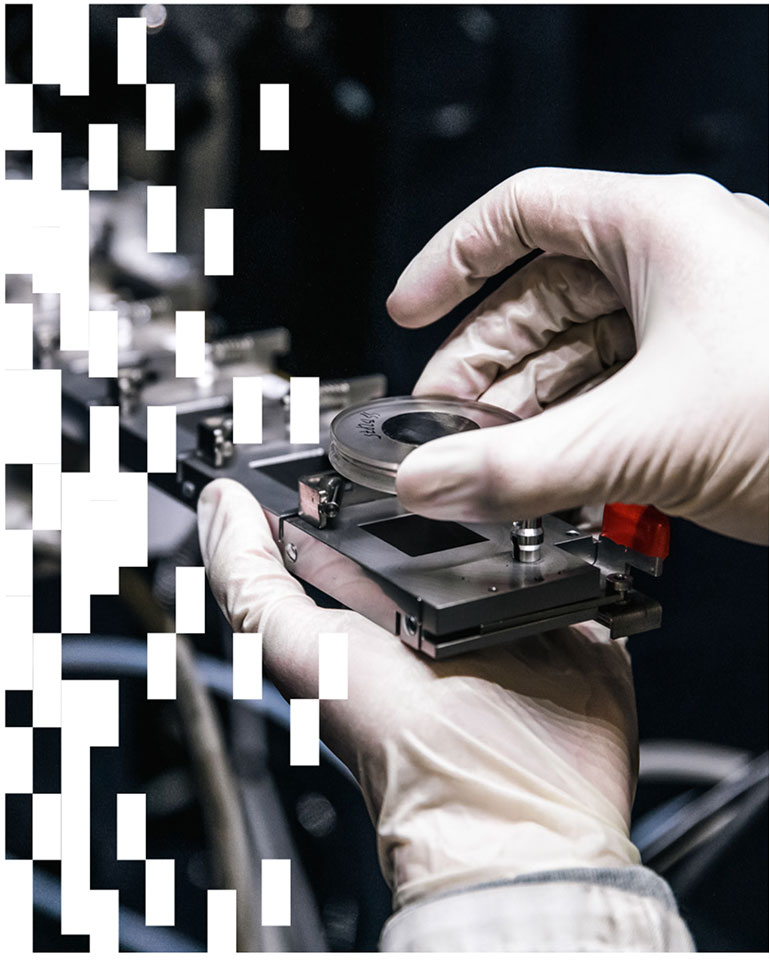
Combining photography with the other graphic elements adds variety and interest to the ISTA brand and makes images truly unique. Overlaying one of the patterns, combining with brand colors, and/or using a block- or grid-based frame are some of the options to add a layer of depth and memorability to imagery.
The examples shown below are just a starting point; this library can grow and expand as long as new artwork aligns with the principles outlined in this section.
This example uses a brand color that closely matches the image as both a framing element and pattern overlay.
A unique photo frame is created by combining block shapes (from the ISTA logo) and using it to mask an image.
Overlaying a pattern in the same color as the background allows the image to feel integrated and adds a unique level of sophistication.
Organic Collages
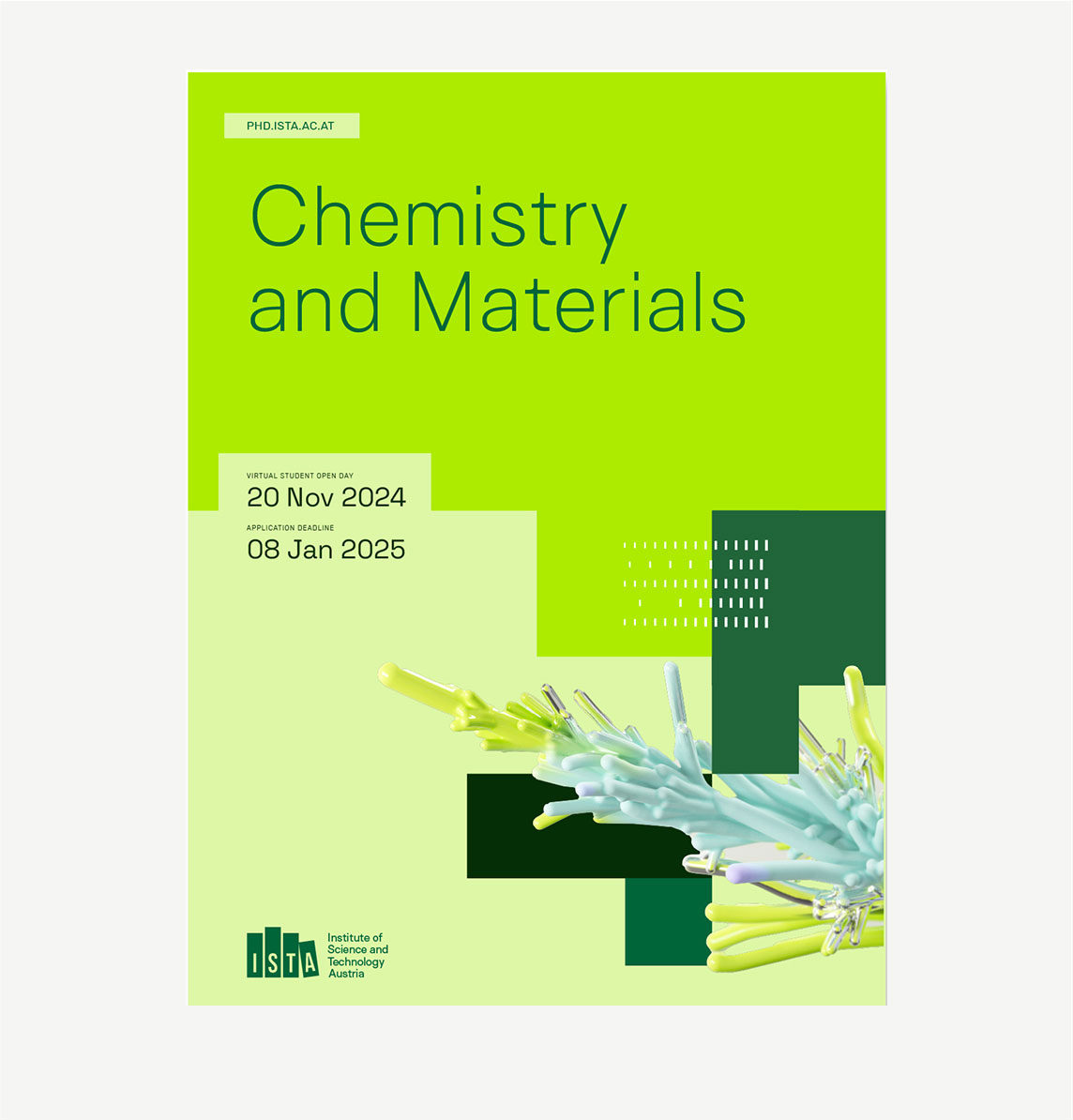
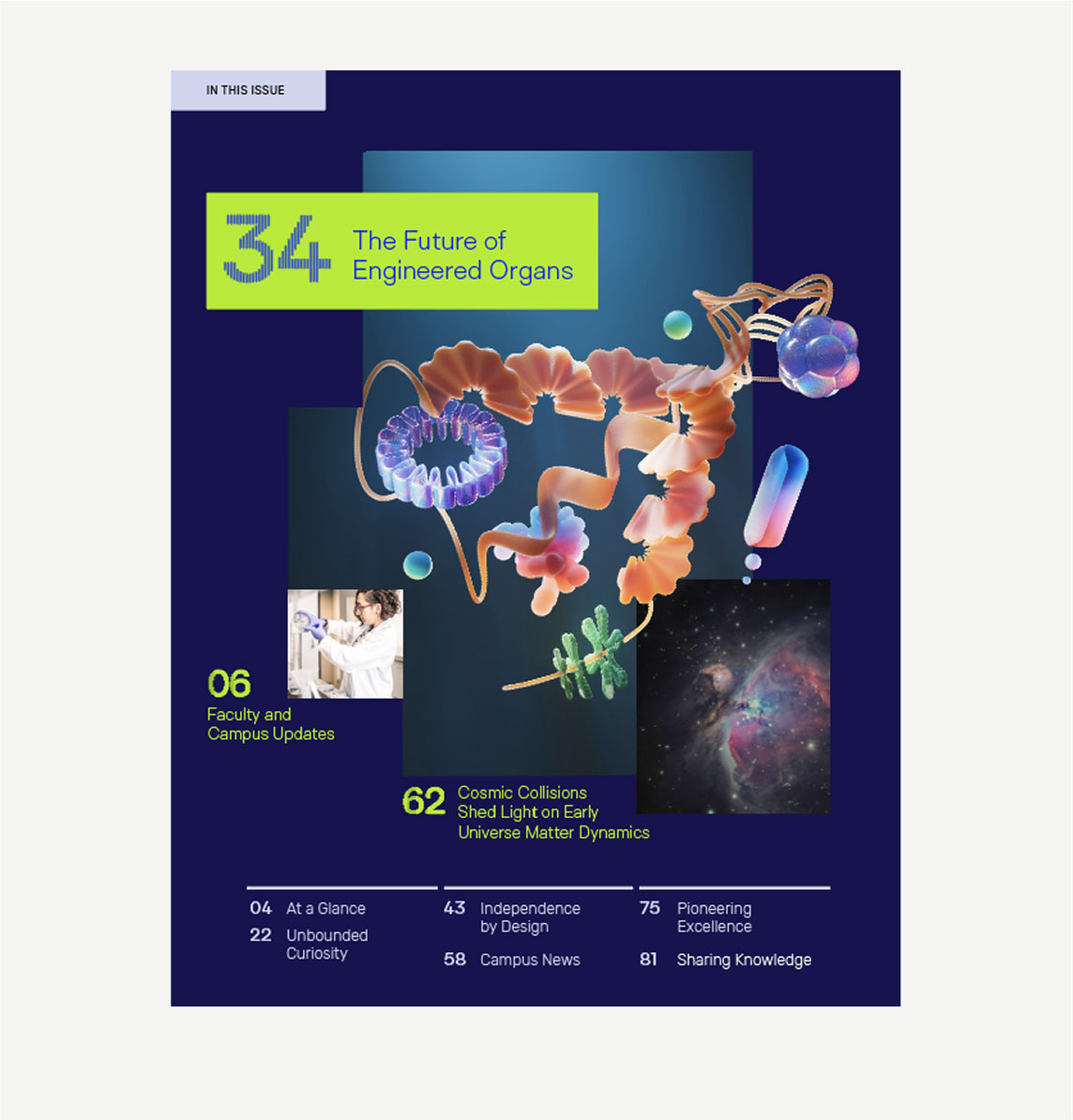
Because most elements align to the underlying grid system, this creates an opportunity to create emphasis and interest by occasionally breaking the grid and the frame. This can be done by isolating the subject of an image and allowing it to exist outside of a framed element or break free from the frame.
In this example, we see an abstract organic object that is interwoven between the rectangular color blocks, adding depth to the composition and giving the impression that the object is growing, free from the constraints of the grid, which draws attention to the element.
This example shows an illustration that exists within a frame, but parts of the image are breaking outside of the frame. Again, this implies a sense of depth and freedom—that the subject is escaping the confines of the frame and coming off the page. It also creates a sort of “portal” effect, suggesting that there’s more beyond the frame to be explored.